
Description
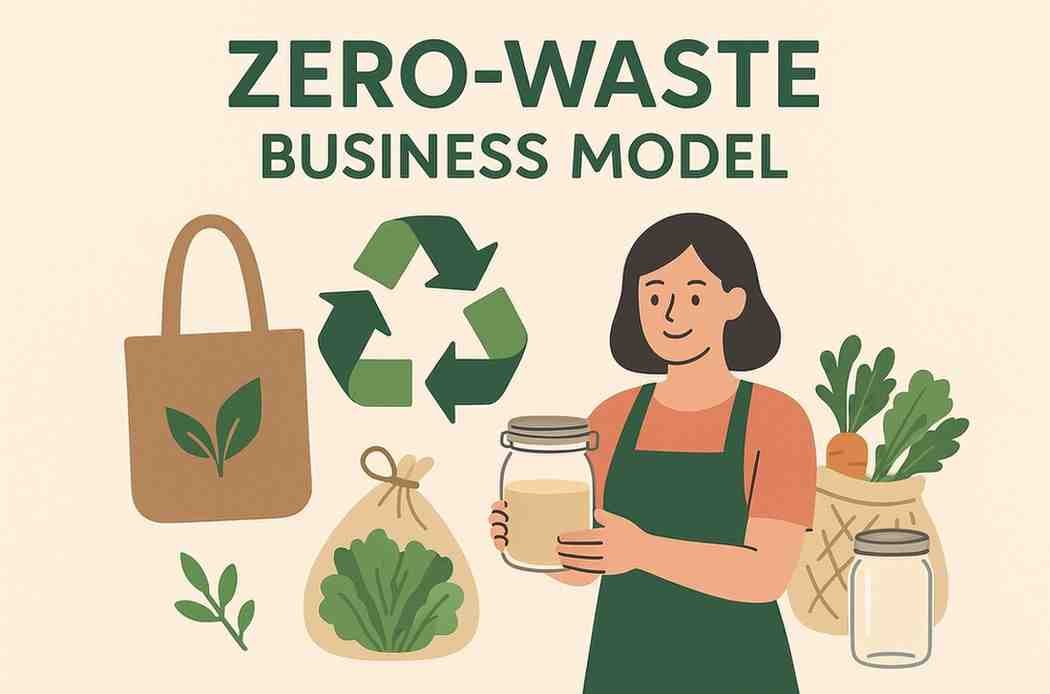
The global shift toward sustainability isn’t just a trend—it’s a business opportunity. As consumers become more environmentally conscious, startups that adopt a zero-waste business model are gaining a competitive edge. Beyond helping the planet, zero-waste practices can lower operational costs, boost brand loyalty, and attract eco-conscious customers and investors.
This article explains how startups can build a profitable and sustainable zero-waste brand, even with limited resources.
What Is a Zero-Waste Business Model?
A zero-waste business aims to ensure that all materials are reused, recycled, composted, or repurposed, preventing anything from going to landfills or incinerators. It focuses on:
-
Designing out waste from operations
-
Using renewable or recycled materials
-
Encouraging circular product lifecycles
-
Minimizing carbon footprint
For startups, this model reduces expenses, improves efficiency, and strengthens brand reputation.
Why Zero-Waste Is a Winning Strategy for Startups
Here’s why adopting zero-waste practices is not only good for the planet but great for business:
1. Reduced Operating Costs
-
Lower packaging costs through reusable/compostable materials
-
Less waste disposal expense
-
Efficiency in energy and material usage
2. Stronger Customer Loyalty
Today’s consumers prefer brands that reflect their values. Zero-waste initiatives increase:
-
Trust
-
Repeat purchases
-
Word-of-mouth referrals
3. Easier Access to Funding
Investors increasingly support businesses committed to ESG (Environmental, Social, Governance) practices.
4. Competitive Differentiation
Zero-waste positioning helps startups stand out in crowded markets.
Key Components of a Zero-Waste Startup
1. Sustainable Product Design
Design from the start to minimize waste:
-
Use biodegradable or recycled materials
-
Choose modular or repairable designs
-
Create durable instead of disposable products
2. Circular Packaging System
Packaging should be:
-
Reusable (containers that can be returned/refilled)
-
Compostable (bio-packaging, cornstarch-based wrappers)
-
Recyclable with clear instructions
Some startups provide packaging return incentives to increase participation.
3. Waste-Free Manufacturing
Implement:
-
Lean manufacturing (no overproduction)
-
Side-stream recycling (using by-products as new resources)
-
Digital manufacturing to reduce material errors
4. Responsible Supply Chain
Partner with suppliers who follow:
-
Ethical sourcing
-
Eco-friendly materials
-
Low-carbon manufacturing practices
5. Reverse Logistics
Allow customers to return products for:
-
Repair
-
Refurbishment
-
Recycling
This extends the product lifecycle and reduces raw material dependency.
Low-Cost Zero-Waste Strategies Startups Can Implement Immediately
1. Switch to Digital Tools
Reduce paper usage by using:
-
Digital receipts
-
Cloud documentation
-
QR-code menus/instructions
2. Offer Refills & Reusable Packaging
Examples:
-
Refill stations (cosmetics, detergents, food items)
-
Deposit-return models
3. Sell Waste as a By-Product
Examples:
-
Agro waste → bio-fertilizer
-
Fabric scraps → accessories
-
Wood waste → handcrafted items
4. Partner with Local Recycling Units
This reduces waste disposal and local transportation costs.
5. Conduct Waste Audits
A simple monthly review helps identify:
-
Where waste is generated
-
What can be reduced or repurposed
-
Cost-saving opportunities
6. Use Energy-Efficient Equipment
LEDs, low-energy machinery, and solar setups reduce long-term operational expenses.
Real-World Examples of Zero-Waste Startups
1. Bare Necessities (India)
Sells zero-waste home and personal care products using biodegradable packaging.
2. Loop
A global reusable packaging system that partners with major brands.
3. Ecovia
Produces eco-friendly cleaning products with refillable packaging.
These brands prove that sustainability and profitability can go hand-in-hand.
How Zero-Waste Helps Boost Profitability
Zero-waste practices directly improve the bottom line:
1. Lower Costs
-
Less material waste
-
Cheaper waste management
-
Optimized supply chain
2. Higher Margins
Eco-friendly products often command premium pricing.
3. Increased Sales
Consumers, especially millennials and Gen Z, prefer sustainable brands.
4. Access to Grants & Support
Government and private eco-grants favor zero-waste startups.
5. Brand Differentiation
Businesses stand out in a competitive online market.
Challenges Startups May Face
Zero-waste implementation does have hurdles:
-
Higher initial setup costs
-
Educating customers about reuse/returns
-
Limited suppliers for sustainable materials
However, these challenges reduce over time as processes stabilize and customer awareness improves.
Steps to Build Your Zero-Waste Startup Roadmap
-
Define your sustainability goal
Example: “Reduce waste by 80% in 12 months.” -
Conduct a waste audit
Identify major waste sources. -
Redesign products and packaging
Use minimal, recyclable, or reusable materials. -
Build a circular supply chain
Choose eco-friendly partners. -
Educate customers
Use digital content, labels, and incentives. -
Measure progress
Track waste reduction metrics quarterly.
Conclusion
A zero-waste business model is not just an environmental commitment—it’s a smart strategy that leads to lower costs, higher customer loyalty, stronger brand identity, and better profitability. Startups that embrace sustainability early will be better positioned to grow in the greener, more conscious economy of the future.
If you’re launching a new business or planning to scale your existing one, zero-waste is one of the smartest, most future-proof approaches you can adopt.


Reviews
There are no reviews yet.