
Description
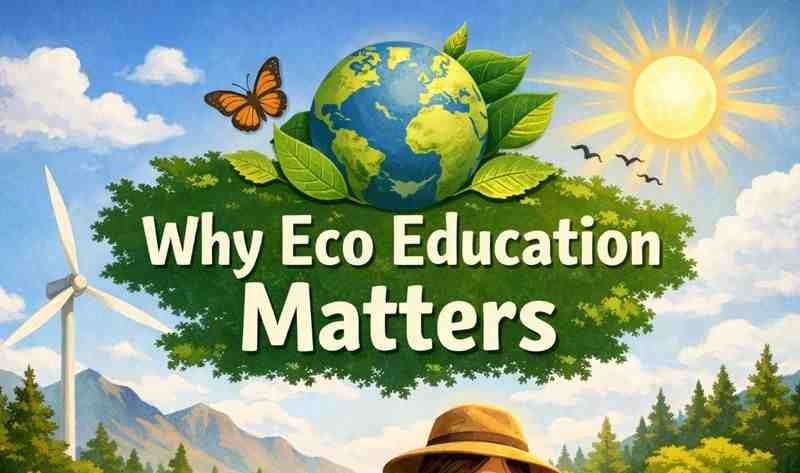
In a world facing rapid environmental change, eco education is no longer an optional addition to the curriculum—it is a necessity. Today’s children will inherit a planet shaped by climate change, resource depletion, pollution, and biodiversity loss. Empowering them with the knowledge, skills, and values required to protect the environment is crucial for securing a sustainable future. Eco education bridges the gap between awareness and action, ensuring that future generations can make informed decisions that benefit both people and the planet.
What Is Eco Education?
Eco education, sometimes called environmental education or sustainability education, focuses on teaching students about ecological systems, climate challenges, sustainable living, and the impact of human activity on the environment. It goes beyond textbooks—encouraging critical thinking, problem-solving, and responsible decision-making.
1. Builds Awareness From an Early Age
Children form lifelong habits and values in their early years. Teaching them how ecosystems function, why biodiversity matters, and how pollution affects health helps create a foundation of environmental responsibility.
Even simple lessons—such as recycling, composting, conserving water, or planting trees—shape their understanding of why their choices matter. Early exposure helps them grow into adults who naturally consider sustainability in daily life.
2. Promotes Sustainable Lifestyles
Eco education encourages learners to adopt sustainable habits that reduce their ecological footprint. These include:
-
Choosing reusable products
-
Conserving electricity
-
Reducing waste
-
Supporting eco-friendly brands
-
Understanding the importance of ethical consumption
These practical actions help students realize that even small lifestyle changes can collectively make a massive impact.
3. Encourages Critical Thinking and Problem-Solving
Environmental challenges—like climate change, plastic pollution, or water scarcity—are complex and interconnected. Eco education teaches students to:
-
Analyze environmental problems
-
Evaluate scientific data
-
Explore innovative solutions
-
Understand long-term impacts
This type of thinking nurtures future scientists, innovators, policymakers, and eco-entrepreneurs who can design solutions for global challenges.
4. Nurtures Responsibility and Compassion
Environmental education helps students develop empathy not only for other people but also for plants, animals, and the planet as a whole. When they understand how human actions affect fragile ecosystems, they naturally become more compassionate and responsible citizens.
Many schools now integrate hands-on activities like nature walks, eco clubs, and community cleanups—experiences that strengthen emotional connection with nature.
5. Supports Global Sustainability Goals (SDGs)
Eco education directly contributes to several United Nations Sustainable Development Goals, including:
-
SDG 4: Quality Education
-
SDG 11: Sustainable Cities and Communities
-
SDG 12: Responsible Consumption and Production
-
SDG 13: Climate Action
-
SDG 15: Life on Land
By aligning lessons with global goals, schools help students understand their role in building a more resilient and sustainable world.
6. Prepares the Future Workforce for Green Jobs
The global shift toward renewable energy, circular economy models, and sustainability-driven innovation means the demand for green skills is skyrocketing. From solar technicians to environmental engineers, green jobs are among the fastest growing worldwide.
Eco education ensures the next generation has the skills required to thrive in this emerging green economy.
7. Strengthens Community and Cultural Awareness
Environmental education often connects students with their community. It teaches them about:
-
Local ecosystems and wildlife
-
Indigenous environmental knowledge
-
Sustainable farming and water practices
-
Cultural traditions that respect nature
This connection reinforces the idea that protecting the environment is not just a global responsibility but also a local commitment.
How Schools and Parents Can Strengthen Eco Education
To maximize impact, both educators and families must play an active role. Some powerful approaches include:
In Schools
-
Adding sustainability topics to the curriculum
-
Conducting eco-friendly projects (gardening, recycling drives, clean-ups)
-
Organizing field trips to natural habitats, farms, or conservation centers
-
Encouraging innovation challenges around eco solutions
-
Reducing plastic use in school campuses
At Home
-
Teaching kids to turn off lights and taps
-
Using reusable shopping bags and water bottles
-
Growing a home garden
-
Practicing waste segregation
-
Discussing environmental news and documentaries
Small actions at home reinforce what children learn in school, helping them adopt eco-friendly habits naturally.
Educating Today for a Greener Tomorrow
Eco education is essential for shaping a future where sustainability is the norm, not the exception. By teaching children how to respect and protect the planet, we equip them with the tools to face environmental challenges confidently and responsibly. The next generation holds the power to create greener cities, cleaner technologies, and a healthier world—but only if we provide them with the knowledge and inspiration they need today.
Investing in eco education is, ultimately, an investment in our planet’s future.

Reviews
There are no reviews yet.