
Description
As climate change, resource depletion, and environmental pollution intensify, green technology has emerged as a critical solution for building a sustainable future. Governments, businesses, and individuals are increasingly investing in technologies that reduce environmental impact while supporting economic growth. But what exactly is green technology, and why does it matter so much today?
This article explains what green technology is, how it works, and why green technology matters for the environment, the economy, and future generations.
What Is Green Technology?
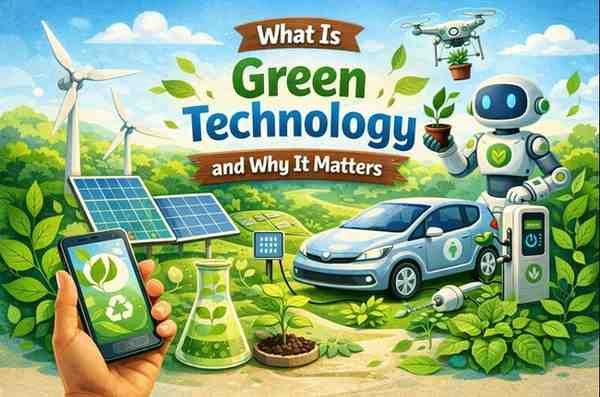
Green technology, also known as clean technology or environmental technology, refers to the development and application of products, systems, and processes designed to reduce or eliminate negative environmental impacts.
These technologies aim to:
-
Conserve natural resources
-
Reduce pollution and waste
-
Lower greenhouse gas emissions
-
Promote renewable energy and efficiency
Green technology focuses on sustainability without compromising innovation or economic progress.
Key Principles of Green Technology
Green technology is guided by several core principles:
1. Sustainability
Ensuring resources are used in a way that meets present needs without harming future generations.
2. Energy Efficiency
Reducing energy consumption while maintaining or improving performance.
3. Waste Reduction
Minimizing waste through recycling, reuse, and eco-friendly design.
4. Renewable Resource Use
Replacing finite resources with renewable alternatives such as solar, wind, and water.
Examples of Green Technology
Green technology spans multiple industries and daily-life applications.
Renewable Energy Technologies
-
Solar power systems
-
Wind turbines
-
Hydroelectric energy
-
Bioenergy solutions
These technologies reduce reliance on fossil fuels and lower carbon emissions.
Green Building and Construction
-
Energy-efficient buildings
-
Sustainable construction materials
-
Smart lighting and insulation systems
Green buildings consume less energy and water while providing healthier indoor environments.
Electric and Low-Emission Transportation
-
Electric vehicles (EVs)
-
Hybrid vehicles
-
Public transport electrification
These technologies reduce air pollution and dependence on oil.
Water Conservation Technologies
-
Rainwater harvesting systems
-
Water-efficient irrigation
-
Smart water management tools
They help preserve freshwater resources amid growing scarcity.
Waste Management and Recycling Technology
-
Advanced recycling systems
-
Composting technologies
-
Waste-to-energy solutions
These innovations reduce landfill waste and recover valuable resources.
Why Green Technology Matters
Green technology is not just an environmental necessity—it is an economic and social imperative.
1. Combats Climate Change
Green technology plays a key role in reducing greenhouse gas emissions. Renewable energy, electric transport, and energy-efficient systems significantly lower carbon footprints and slow global warming.
2. Conserves Natural Resources
By promoting renewable energy and sustainable materials, green technology reduces overexploitation of limited resources such as fossil fuels, forests, and freshwater.
3. Improves Public Health
Cleaner air, water, and soil lead to fewer health issues. Green technologies reduce exposure to harmful pollutants, improving overall quality of life.
4. Drives Economic Growth and Jobs
The green technology sector creates new employment opportunities in:
-
Renewable energy
-
Environmental engineering
-
Sustainable manufacturing
-
Green infrastructure development
It supports long-term economic resilience.
5. Reduces Long-Term Costs
Although some green technologies require initial investment, they often deliver significant savings over time through:
-
Lower energy bills
-
Reduced maintenance costs
-
Efficient resource use
Role of Green Technology in Everyday Life
Green technology is no longer limited to large industries. It is increasingly part of daily life:
-
Energy-efficient home appliances
-
Solar-powered lighting
-
Smart thermostats
-
Electric mobility options
Small individual choices collectively create large environmental benefits.
Challenges Facing Green Technology Adoption
Despite its benefits, green technology faces some challenges:
-
High initial costs
-
Limited infrastructure in some regions
-
Lack of awareness and technical expertise
However, rapid innovation and supportive policies are steadily addressing these barriers.
The Future of Green Technology
The future of green technology looks promising. Advancements in artificial intelligence, automation, and materials science are accelerating the development of more efficient and affordable solutions.
In the coming years, green technology will play a central role in:
-
Achieving global climate goals
-
Supporting sustainable urban development
-
Building climate-resilient economies
Summary
Green technology represents a powerful intersection of innovation and responsibility. It offers practical solutions to some of the world’s most pressing environmental challenges while supporting economic growth and improved quality of life.
Understanding what green technology is and why it matters empowers individuals, businesses, and governments to make informed decisions that contribute to a sustainable and resilient future.


Reviews
There are no reviews yet.