
Description
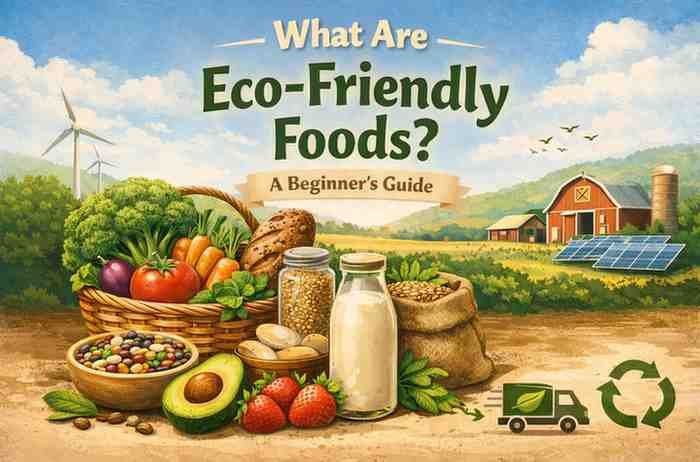
As people become more conscious of their health and the planet, eco-friendly foods are gaining attention worldwide. Food choices have a direct impact on the environment, from how crops are grown to how products are packaged and transported. Understanding what eco-friendly foods are is the first step toward making more sustainable and responsible dietary choices.
This beginner’s guide explains eco-friendly foods, their benefits, and how you can easily include them in your daily diet.
What Are Eco-Friendly Foods?
Eco-friendly foods are foods produced, processed, and distributed in ways that minimize environmental harm. These foods are grown using sustainable farming practices that protect soil health, conserve water, reduce pollution, and lower carbon emissions.
In simple terms, eco-friendly foods support both human health and environmental sustainability.
Key Characteristics of Eco-Friendly Foods
Eco-friendly foods typically share the following features:
-
Grown using sustainable or organic farming methods
-
Minimal use of chemical fertilizers and pesticides
-
Lower water and energy consumption
-
Ethical sourcing and fair labor practices
-
Minimal or eco-friendly packaging
These characteristics reduce the overall environmental footprint of food production.
Types of Eco-Friendly Foods
1. Organic Foods
Organic foods are produced without synthetic pesticides, chemical fertilizers, or genetically modified organisms (GMOs).
Why they’re eco-friendly:
-
Improve soil fertility
-
Protect biodiversity
-
Reduce chemical runoff into water systems
Examples include organic fruits, vegetables, grains, and dairy products.
2. Plant-Based and Seasonal Foods
Plant-based foods generally have a lower environmental impact compared to animal-based products.
Eco-friendly plant-based foods include:
-
Vegetables and fruits
-
Pulses and legumes
-
Whole grains
-
Nuts and seeds
Seasonal foods require fewer resources for storage and transportation, making them more sustainable.
3. Locally Grown Foods
Locally produced foods reduce the distance food travels from farm to plate.
Benefits of local foods:
-
Lower fuel and transport emissions
-
Fresher and more nutritious
-
Support for local farmers and economies
Farmers’ markets and community-supported agriculture are excellent sources.
4. Whole and Minimally Processed Foods
Highly processed foods require more energy and packaging.
Eco-friendly whole foods include:
-
Fresh produce
-
Unrefined grains
-
Natural oils and spices
These foods reduce waste and energy consumption during processing.
5. Sustainably Sourced Animal Products
Not all animal-based foods are harmful if sourced responsibly.
Eco-friendly options include:
-
Free-range eggs
-
Grass-fed dairy products
-
Sustainably sourced fish
Ethical farming practices reduce environmental damage and improve animal welfare.
Why Eco-Friendly Foods Matter
Choosing eco-friendly foods benefits both the planet and personal health.
Environmental Benefits
-
Reduced greenhouse gas emissions
-
Conservation of soil and water resources
-
Lower pollution levels
-
Protection of ecosystems and wildlife
Health Benefits
-
Fewer chemical residues
-
Higher nutritional value
-
Better food quality and safety
Common Myths About Eco-Friendly Foods
Myth 1: Eco-Friendly Foods Are Always Expensive
While some organic products cost more, local and seasonal foods are often affordable and cost-effective.
Myth 2: Eco-Friendly Foods Are Hard to Find
With growing demand, eco-friendly food options are increasingly available in supermarkets and local markets.
Myth 3: Eco-Friendly Foods Are Only for Vegetarians
Eco-friendly eating includes sustainable animal products as well as plant-based foods.
How Beginners Can Start Eating Eco-Friendly Foods
You don’t need to overhaul your diet overnight. Start with small, practical steps:
-
Buy seasonal fruits and vegetables
-
Choose local produce when possible
-
Reduce packaged and processed foods
-
Include more plant-based meals
-
Avoid food waste by planning meals
Small changes can make a meaningful difference over time.
Eco-Friendly Food Packaging Matters Too
Sustainable food choices also include eco-friendly packaging:
-
Compostable or biodegradable packaging
-
Recyclable materials
-
Minimal plastic use
Supporting brands with responsible packaging reduces overall environmental impact.
The Future of Eco-Friendly Foods
As awareness grows, eco-friendly foods are becoming mainstream. Innovations in sustainable agriculture, plant-based alternatives, and food technology are making it easier for consumers to choose environmentally responsible options.
Eco-friendly eating is no longer a trend—it is a necessary shift toward a healthier planet.
Summary
Understanding what eco-friendly foods are empowers beginners to make informed, sustainable food choices. By choosing foods that respect the environment, you contribute to reduced pollution, better health, and a more sustainable future.
Eco-friendly eating is about progress, not perfection. Every conscious food choice brings us closer to a greener world.
Reviews
There are no reviews yet.