
Description
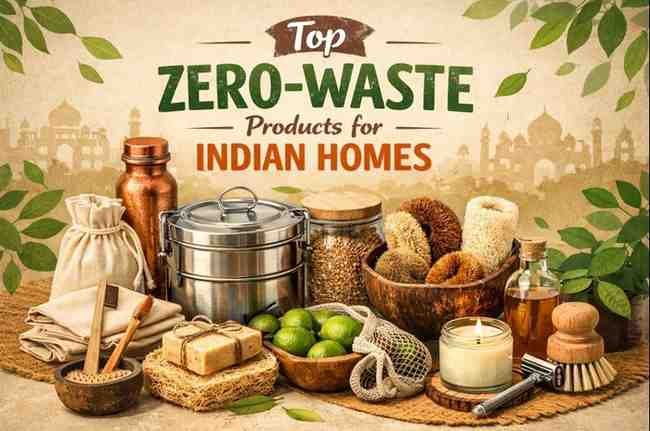
Zero-waste living in India is not a trend; it is a return to conscious, traditional practices upgraded for modern homes. With rising plastic pollution, landfill pressure, and health concerns, Indian households are actively seeking practical alternatives that reduce waste without compromising convenience. This in-depth guide covers the top zero-waste products ideally suited for Indian homes, focusing on affordability, availability, cultural compatibility, and long-term impact.
What Does Zero-Waste Mean in an Indian Context?
Zero-waste does not mean producing no waste at all. It means:
-
Reducing unnecessary consumption
-
Reusing durable products
-
Replacing disposable plastic with sustainable materials
-
Recycling and composting what cannot be reused
Traditional Indian households already practiced zero-waste through steel utensils, cloth bags, refillable containers, and home composting. Modern zero-waste products revive these habits with better design and hygiene standards.
Top Zero-Waste Products for Indian Homes
1. Stainless Steel Kitchenware (Bartans)
Best replacement for: Plastic containers, lunch boxes, water bottles
Stainless steel has always been a staple in Indian kitchens. High-quality steel containers are:
-
100% recyclable
-
Long-lasting (often used for decades)
-
Safe for hot food and liquids
Zero-waste uses:
-
Steel dabba sets for storage
-
Insulated steel lunch boxes
-
Steel water bottles for home and travel
2. Glass Storage Jars & Bottles
Best replacement for: Plastic jars, spice containers, oil bottles
Glass is non-reactive and ideal for Indian cooking ingredients like masalas, pickles, oils, and ghee.
Why glass works well in Indian homes:
-
Does not absorb smell or color
-
Keeps dry items fresh in humid climates
-
Easily reusable and recyclable
3. Cloth Shopping & Vegetable Bags
Best replacement for: Plastic carry bags and polybags
Reusable cloth bags are one of the simplest zero-waste swaps.
Popular Indian options:
-
Cotton or khadi grocery bags
-
Mesh vegetable bags for sabzi markets
-
Jute bags for heavy shopping
These bags last for years and reduce daily plastic waste significantly.
4. Compost Bins for Home Waste
Best replacement for: Garbage disposal of wet waste
More than 50% of Indian household waste is biodegradable. Home composting converts kitchen waste into natural manure.
Compost options suitable for Indian flats and houses:
-
Clay compost pots
-
Plastic-free metal composters
-
Terracotta or wooden compost bins
Composting reduces landfill waste and supports terrace gardening.
5. Coconut Coir & Natural Scrubbers
Best replacement for: Plastic dish scrubbers and sponges
Coconut coir scrubbers are widely available in India and completely biodegradable.
Zero-waste benefits:
-
No microplastic release
-
Long-lasting and effective on Indian utensils
-
Compostable after use
6. Solid Soaps, Shampoo Bars & Refill Products
Best replacement for: Plastic shampoo and body wash bottles
Solid personal care products drastically cut bathroom plastic waste.
Common zero-waste personal care items in India:
-
Handmade soap bars
-
Shampoo and conditioner bars
-
Refillable liquid soap systems
They last longer and require minimal packaging.
7. Bamboo & Neem Wood Products
Best replacement for: Plastic brushes, toothbrushes, and cutlery
Bamboo and neem wood are fast-growing, antibacterial, and biodegradable.
Popular zero-waste items:
-
Bamboo toothbrushes
-
Neem wood combs
-
Bamboo dish brushes
Neem is especially suitable for Indian climates due to its natural pest-resistant properties.
8. Reusable Menstrual Products
Best replacement for: Disposable sanitary pads and tampons
Menstrual waste contributes significantly to non-recyclable waste in India.
Zero-waste menstrual alternatives:
-
Menstrual cups
-
Reusable cloth pads
-
Period underwear
These options are cost-effective, safe, and environmentally friendly over the long term.
9. Cloth Napkins & Kitchen Towels
Best replacement for: Tissue paper and paper towels
Using washable cloth napkins and towels aligns with traditional Indian practices.
Benefits:
-
Reduces paper and plastic waste
-
Long-lasting and economical
-
Easily washable with regular laundry
10. Refillable Cleaning Solutions
Best replacement for: Single-use plastic cleaning bottles
Zero-waste cleaning focuses on:
-
Concentrated refill packs
-
DIY cleaners using vinegar, baking soda, and lemon
-
Reusable spray bottles
This reduces plastic consumption while keeping homes hygienic.
How to Choose the Right Zero-Waste Products
When shopping for zero-waste products in India, consider:
-
Durability over aesthetics
-
Locally made products to reduce carbon footprint
-
Minimal or plastic-free packaging
-
Repairable or refillable designs
Avoid greenwashing by checking material details and long-term usability.
Economic Benefits of Zero-Waste Living
Zero-waste products may seem expensive initially, but they:
-
Last longer than disposable alternatives
-
Reduce repeat purchases
-
Save money over time
Indian households often recover costs within months due to reduced consumption.
Where to Buy Zero-Waste Products in India
-
Local kirana stores and utensil shops
-
Zero-waste and organic stores in cities
-
Farmer markets and exhibitions
-
Online sustainable marketplaces
Supporting local artisans and small businesses further strengthens the circular economy.
FAQs on Zero-Waste Living in India
Is zero-waste practical for Indian apartments?
Yes. With compact composters, refill products, and reusable essentials, zero-waste living is highly practical even in small flats.
Do zero-waste products require extra effort?
Initially, yes. But once habits form, they become part of daily routine and require minimal effort.
Can zero-waste products replace all plastic?
Not completely, but they can reduce household plastic waste by 60–80%.
Summary
Zero-waste living in Indian homes is achievable, affordable, and culturally aligned. By switching to stainless steel, glass, cloth, bamboo, and refill systems, households can significantly reduce waste while saving money and improving health. Small changes, when adopted collectively, create a massive environmental impact.
Start with one category today—your kitchen, bathroom, or shopping habits—and move steadily toward a truly sustainable Indian home.




Reviews
There are no reviews yet.