
Description
Environmental awareness is a crucial life skill in today’s world, and students are among the most important groups to nurture these habits early. While classroom lessons introduce concepts like climate change, biodiversity, and sustainability, real understanding grows when students step outside and apply this knowledge through practical, eco-friendly activities. These hands-on experiences encourage problem-solving, build green habits, and inspire a lifelong commitment to protecting the planet.
Below are some of the most effective and engaging eco-friendly activities for students that promote learning, creativity, and environmental responsibility beyond traditional classroom walls.
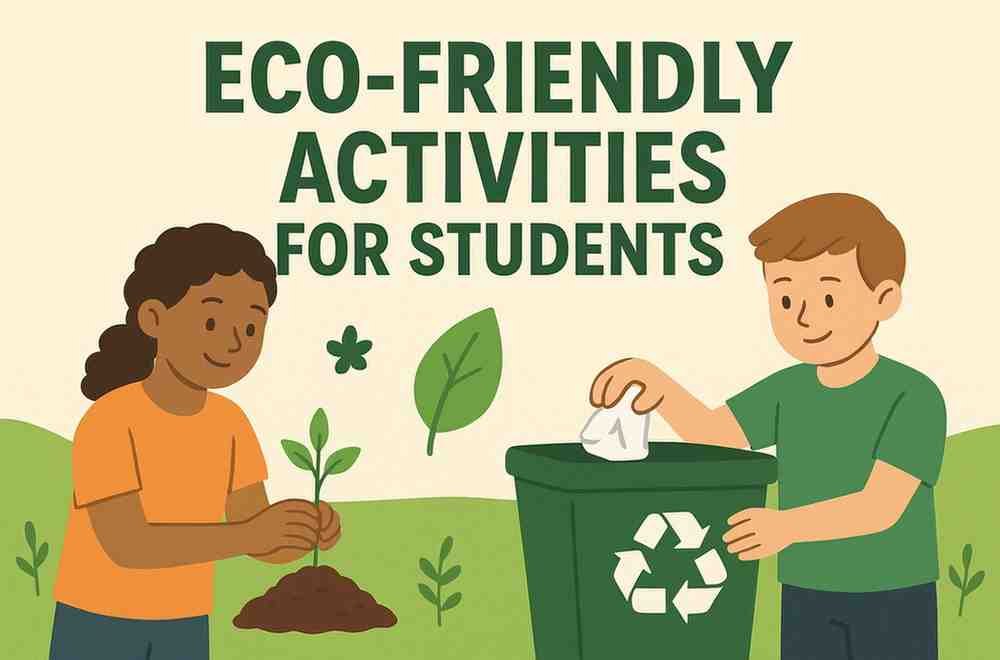
1. Creating and Maintaining a School Garden
A school garden is one of the best ways to combine science, environmental education, and practical skills. Students learn:
-
How plants grow
-
The importance of soil, sunlight, and water
-
Concepts like composting, organic farming, and biodiversity
Gardening develops patience, teamwork, and a sense of accomplishment. It also helps students understand where food comes from and why sustainable agriculture matters.
2. Waste Segregation and Recycling Programs
Recycling is more meaningful when students actively take part. Schools can organize:
-
Waste segregation training
-
Paper, plastic, and e-waste collection drives
-
Recycling bin awareness campaigns
-
Poster-making competitions promoting zero waste
These activities teach students to think consciously before throwing anything away, building responsible habits that continue at home.
3. Nature Exploration: Walks, Trails, and Outdoor Learning
Nature walks are powerful tools for experiential learning. Students get the chance to observe:
-
Local trees and plant species
-
Birds, insects, and small animals
-
Changes in weather and seasons
-
The natural interaction between species and ecosystems
These activities sharpen observation skills, develop curiosity, and teach students to appreciate natural spaces.
4. Upcycling Projects to Spark Creativity
Upcycling encourages students to transform waste materials into new, useful items. Examples include:
-
Turning plastic bottles into planters
-
Crafting bookmarks or art from old newspapers
-
Building pencil holders from containers
-
Creating décor using cardboard, fabric scraps, or glass jars
Such projects promote creativity, reduce waste, and teach students the importance of reusing instead of throwing away.
5. ‘Green Habits’ Competitions and Sustainability Challenges
Friendly competitions can motivate students to adopt sustainable habits. Schools can introduce challenges like:
-
Zero-plastic week
-
Bring-your-own-bottle challenge
-
“Cycle to school” day
-
Energy-saving streak competitions
-
Waste-free lunch box challenge
These activities combine fun with learning and help students form long-term environmentally conscious habits.
6. Tree Planting and Campus Greening Drives
Tree planting connects students directly with climate action. They learn:
-
The importance of native species
-
How trees absorb carbon
-
How to care for saplings through the year
Maintaining the planted trees teaches accountability, patience, and long-term commitment.
7. Clean-Up Drives for School or Community
Whether on school grounds, a nearby beach, park, or riverbank, cleanup drives help students:
-
Understand the real impact of littering
-
Participate in community service
-
Work together as teams
-
Visibly improve their surroundings
Clean-up initiatives make environmental problems tangible and help students take ownership of local spaces.
8. Energy and Water Conservation Projects
Students can run mini audits in schools to identify:
-
Classrooms with lights or fans running unnecessarily
-
Water leaks
-
Overuse of AC and electrical equipment
Awareness campaigns, posters, and student-led committees can promote better habits like switching off devices and saving water.
Schools can also demonstrate:
-
Rainwater harvesting models
-
Solar-powered appliances
-
Low-flow taps for conservation
This ensures that students learn practical ways to protect Earth’s resources.
9. Eco Clubs and Student Sustainability Committees
Eco clubs empower students to take leadership roles. These clubs can organize:
-
Environmental debates and discussions
-
Film screenings on climate issues
-
Collaboration with NGOs and local green groups
-
Sustainability camps and workshops
By taking initiative, students develop leadership, communication, and teamwork skills—all while promoting environmental wellbeing.
10. DIY Natural Products and Eco-Friendly Alternatives
Workshops that teach students to create natural products help reduce reliance on harmful chemicals. Popular DIY options include:
-
Natural cleaners
-
Eco-friendly paints
-
Handmade paper
-
Herbal soaps
-
Plant-based dyes
These activities promote sustainable living and encourage students to explore green entrepreneurship in the future.
11. Environmental STEM Projects and Green Innovations
Green science projects inspire innovation and problem-solving. Students can experiment with:
-
Solar ovens
-
Mini hydroelectric models
-
Windmill turbines
-
Home compost systems
-
Water filtration setups
These STEM-based activities combine science with sustainability and encourage students to think like future green innovators.
Why These Activities Matter
Practical eco-friendly activities:
-
Turn environmental theory into real-world action
-
Cultivate responsible behavior from a young age
-
Make students confident problem-solvers
-
Strengthen their connection with nature
-
Inspire future careers in sustainability, science, and green technology
-
Build a more conscious and eco-aware generation
Most importantly, these activities show students that even small actions can create meaningful change.
Conclusion
Eco-friendly activities go far beyond classroom learning—they inspire a mindset. By engaging students in gardening, recycling, conservation, and outdoor exploration, we nurture environmental stewards who understand the importance of protecting the planet. The habits they build today will shape the sustainable world of tomorrow.
Practical eco-learning not only educates—it empowers. And empowering students is the first step to creating a greener, healthier, and more resilient future.


Reviews
There are no reviews yet.