
Description
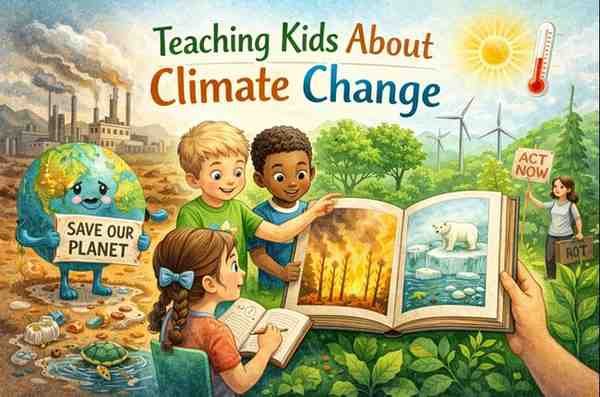
Climate change is one of the biggest challenges facing our planet, and helping children understand it is essential for creating a greener future. However, teaching kids about climate change doesn’t mean overwhelming them with fear or complex scientific terms. Instead, the goal is to make learning simple, hopeful, and empowering. When children understand the issue in a positive way, they feel inspired to take action rather than anxious or confused.
Here’s how parents, teachers, and caregivers can introduce climate change to kids in an engaging, age-appropriate, and encouraging manner.
1. Start With the Basics: What Is Climate Change?
Kids don’t need complicated definitions—they need relatable examples.
You can explain it like this:
“Climate change means our Earth is getting warmer because of too much pollution, and this affects the weather, animals, plants, and people.”
Using simple comparisons helps:
-
The Earth is like a blanket—too much pollution makes the blanket too thick and traps heat.
-
Some animals lose their homes when climates change.
-
Weather becomes unpredictable—more storms, heatwaves, or floods.
Clear language helps kids understand the core idea without unnecessary complexity.
2. Use Stories, Illustrations, and Cartoons
Children learn best through visuals and storytelling. You can use:
-
Illustrated books on climate
-
Animated videos and kid-friendly documentaries
-
Educational cartoons
-
Simple role-play activities
Stories about animals or young eco-heroes help kids connect emotionally and remember concepts more easily.
3. Focus on Solutions, Not Scare Tactics
While climate change is serious, overwhelming children with doom-filled warnings can lead to fear and helplessness. Instead, highlight solutions.
Explain that people around the world are working together to fix the problem by:
-
Planting trees
-
Using solar and wind energy
-
Reducing plastic waste
-
Protecting forests and oceans
Make them feel part of something positive and powerful.
4. Connect Climate Change to Everyday Life
Children understand better when the topic relates to their real world.
Show examples like:
-
Why we switch off lights to save energy
-
Why recycling helps reduce pollution
-
Why trees keep the Earth cool
-
Why clean water matters
Pointing out everyday eco-friendly actions helps them understand how their small choices make a difference.
5. Use Fun, Hands-On Activities
Activities make learning engaging and memorable. Try:
Planting a sapling
Kids learn how trees absorb carbon dioxide and give oxygen.
Building a DIY weather station
Helps them observe temperature, wind, and rainfall changes.
Sorting waste at home or school
Teaches recycling and responsible disposal.
Creating eco-themed crafts
Use recycled materials for art projects.
Outdoor nature walks
Kids see how ecosystems function and why they matter.
Hands-on learning builds stronger connections than lectures ever can.
6. Introduce Kid-Friendly Climate Apps and Games
Technology can make climate education exciting. Apps like:
-
WWF Free Rivers
-
Earth Rangers
-
Climate Kids (NASA)
-
JouleBug
These tools simplify climate concepts and encourage playful learning through quizzes, videos, and challenges.
7. Teach Through Questions, Not Just Answers
Children love asking questions—and climate change opens many doors for curiosity.
Examples:
-
Why are summers getting hotter?
-
Why do some animals migrate?
-
Where does waste go after we throw it?
-
What makes the sky polluted?
Encouraging questions builds critical thinking and allows kids to explore ideas at their own pace.
8. Model Eco-Friendly Behavior
Children learn more from what adults do than what they hear. When they see grown-ups:
-
Carry reusable bags
-
Conserve water
-
Turn off lights
-
Use public transport
-
Reduce plastic usage
-
Recycle regularly
They learn that climate action is part of daily life, not just a school lesson.
9. Celebrate Their Efforts—No Matter How Small
Positive reinforcement encourages children to keep going. Celebrate actions like:
-
Finishing a recycling chart
-
Growing a plant
-
Remembering to switch off fans
-
Bringing a reusable bottle
-
Completing an eco-project
Praise builds confidence and a sense of responsibility.
10. Teach Hope, Not Fear
One of the most important parts of teaching climate change is keeping the message hopeful.
Remind children:
-
“We can fix this together.”
-
“Small actions create big changes.”
-
“You have the power to help the Earth.”
A hopeful mindset empowers kids to become compassionate, aware, and proactive citizens.
Conclusion
Teaching kids about climate change doesn’t have to be complicated or frightening. With simple explanations, stories, hands-on activities, and positive guidance, children can understand the issue clearly—and feel motivated to help. By focusing on practical actions and hope, we shape young minds who genuinely care for the environment and feel capable of protecting it.
Children are not just learners—they are future leaders. The more positively they understand climate change today, the better they can help build a greener, healthier world tomorrow.


Reviews
There are no reviews yet.