
Description
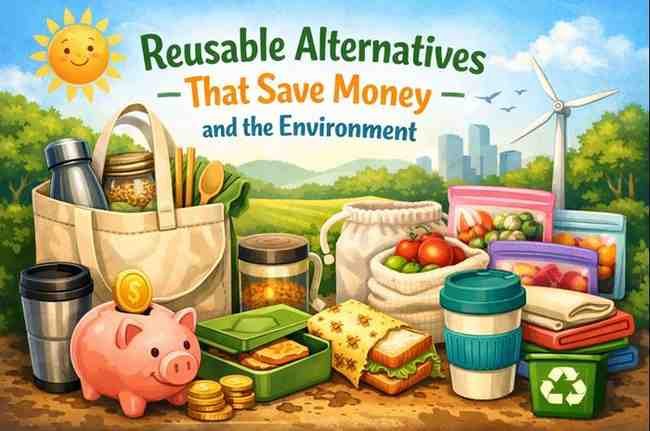
As environmental concerns and living costs continue to rise, more households are turning toward reusable alternatives that are both eco-friendly and cost-effective. Single-use products may seem cheap upfront, but over time they drain your wallet and harm the planet. Reusable products, on the other hand, offer long-term savings while significantly reducing waste.
In this guide, we explore the best reusable alternatives that save money and the environment, explain how they work, and show why switching to reusables is a smart financial and sustainable decision.
Why Reusable Alternatives Are the Future
Reusable products are designed to be used repeatedly, reducing dependence on disposable items. This shift offers three major benefits:
-
Lower long-term expenses
-
Reduced plastic and landfill waste
-
Smaller carbon footprint
According to sustainability studies, replacing just a few daily-use disposable items with reusable alternatives can prevent hundreds of kilograms of waste per household each year.
1. Reusable Cloth Bags vs Plastic Carry Bags
Plastic bags are one of the biggest contributors to environmental pollution. They are used for minutes but remain in landfills for centuries.
Why Cloth Bags Make Sense
-
Last for years with regular use
-
Cost-effective compared to buying plastic bags repeatedly
-
Made from cotton, jute, or recycled fabrics
Money-saving tip: A single durable cloth bag can replace over 500 plastic bags in its lifetime.
2. Stainless Steel or Glass Water Bottles vs Disposable Bottles
Buying bottled water regularly is expensive and environmentally damaging.
Benefits of Reusable Water Bottles
-
One-time investment with years of use
-
Keeps beverages hot or cold for longer
-
Eliminates plastic waste
Cost comparison: Daily bottled water purchases can cost thousands annually, while a quality reusable bottle pays for itself in weeks.
3. Reusable Food Containers vs Single-Use Packaging
Takeaway boxes, cling wraps, and disposable containers create massive kitchen waste.
Better Reusable Options
-
Stainless steel lunch boxes
-
Glass storage containers
-
Silicone food covers
These options preserve food freshness, reduce plastic exposure, and save money by minimizing food waste.
4. Cloth Napkins and Towels vs Paper Products
Paper towels and tissues are recurring expenses that add up quickly.
Why Switch to Reusable Cloth Alternatives
-
Washable and long-lasting
-
Softer and more durable
-
Reduces deforestation
Financial advantage: One set of cloth napkins can replace years of paper towel purchases.
5. Reusable Razors vs Disposable Razors
Disposable razors are costly over time and difficult to recycle.
Sustainable Shaving Options
-
Stainless steel safety razors
-
Replaceable blade systems
Although the initial cost is higher, replacement blades are significantly cheaper, making reusable razors more economical in the long run.
6. Menstrual Cups and Reusable Pads vs Disposable Sanitary Products
Disposable sanitary products are expensive and generate non-biodegradable waste.
Reusable Feminine Hygiene Benefits
-
Last 5–10 years
-
Health-safe and chemical-free
-
Massive cost savings over time
A menstrual cup can replace thousands of disposable pads or tampons over its lifespan.
7. Rechargeable Batteries vs Single-Use Batteries
Single-use batteries contain harmful chemicals and contribute to electronic waste.
Why Rechargeable Batteries Are Better
-
Can be recharged hundreds of times
-
Lower long-term cost
-
Reduced toxic waste
Ideal for remotes, toys, clocks, and wireless devices.
8. Reusable Cleaning Tools vs Disposable Cleaning Products
Disposable cleaning wipes and pads are expensive and wasteful.
Eco-Friendly Cleaning Alternatives
-
Microfiber cloths
-
Refillable spray bottles
-
Compostable scrubbers
These options are more effective and dramatically reduce household waste.
How Reusable Products Save Money Over Time
Although reusable alternatives may have a higher upfront cost, they deliver long-term financial benefits:
-
Fewer repeat purchases
-
Lower monthly household expenses
-
Reduced dependency on packaged goods
Over a year, families can save thousands simply by switching to reusables in daily life.
Environmental Impact of Choosing Reusable Alternatives
By adopting reusable products, you help:
-
Reduce plastic pollution
-
Conserve natural resources
-
Lower greenhouse gas emissions
-
Support a circular economy
Small individual choices collectively create a large environmental impact.
How to Start Switching to Reusable Alternatives
You don’t need to change everything at once. Start small:
-
Replace one disposable item at a time
-
Choose high-quality reusable products
-
Build habits that support reuse
-
Educate family members
Gradual changes are more sustainable and easier to maintain.
Summary
Reusable alternatives are not just an environmental trend—they are a smart financial strategy and a responsible lifestyle choice. By replacing disposable items with reusable options, you can save money, reduce waste, and contribute to a healthier planet.
Every reusable product you adopt is a step toward a more sustainable and cost-efficient future.


Reviews
There are no reviews yet.