
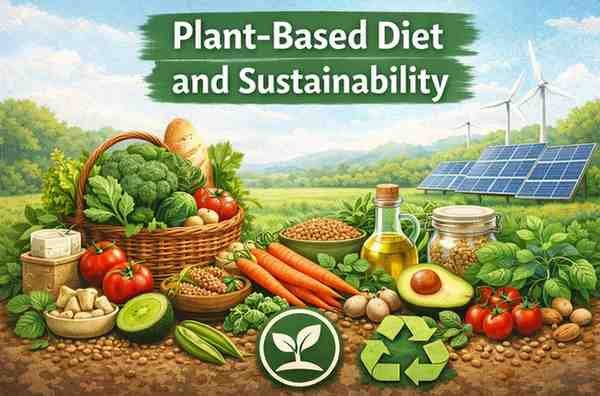
Description
As concerns about climate change, environmental degradation, and public health continue to grow, the plant-based diet has emerged as a powerful solution for sustainable living. What we eat plays a critical role in shaping the planet’s future, and shifting toward plant-based foods is increasingly recognized as one of the most effective ways to reduce environmental impact.
This article explores the connection between a plant-based diet and sustainability, highlighting environmental, economic, and health benefits.
What Is a Plant-Based Diet?
A plant-based diet focuses primarily on foods derived from plants, including:
-
Fruits and vegetables
-
Whole grains
-
Legumes and pulses
-
Nuts and seeds
While some plant-based diets allow limited animal products, the emphasis remains on plant-derived foods that require fewer natural resources.
Why Food Choices Matter for Sustainability
Food systems account for a significant portion of global greenhouse gas emissions, land use, and freshwater consumption. Animal agriculture, in particular, has a higher environmental footprint compared to plant-based food production.
Adopting a plant-based diet can directly address these sustainability challenges.
Reduced Greenhouse Gas Emissions
One of the strongest sustainability benefits of a plant-based diet is lower carbon emissions.
How Plant-Based Eating Helps
-
Produces fewer greenhouse gases than meat and dairy
-
Requires less fossil fuel input
-
Reduces methane emissions associated with livestock
Switching to plant-based meals significantly lowers an individual’s carbon footprint.
Lower Water Consumption
Livestock farming is highly water-intensive.
Water-Saving Benefits of Plant-Based Diets
-
Plant foods generally require less water
-
Reduced irrigation demands
-
Lower pressure on freshwater resources
Choosing plant-based foods helps conserve water, especially in water-stressed regions.
Efficient Land Use and Reduced Deforestation
Animal agriculture requires large areas of land for grazing and feed crops.
Land Conservation Benefits
-
Plant-based diets need less land
-
Reduced deforestation for livestock feed
-
Protection of forests and wildlife habitats
This helps preserve biodiversity and natural ecosystems.
Improved Soil Health and Biodiversity
Plant-based agriculture supports healthier soils.
Ecological Advantages
-
Encourages crop diversity
-
Reduces soil erosion
-
Protects pollinators and beneficial organisms
Sustainable plant farming strengthens long-term food security.
Reduced Pollution and Waste
Livestock operations generate large amounts of waste and pollution.
Environmental Benefits
-
Lower nutrient runoff into water bodies
-
Reduced air pollution
-
Less chemical fertilizer dependency
Plant-based systems create cleaner and safer environments.
Energy Efficiency in Food Production
Producing plant-based foods is generally more energy-efficient.
Efficiency Gains
-
Fewer production steps
-
Lower transportation and storage needs
-
Reduced processing requirements
This results in lower overall energy consumption across the food system.
Health and Sustainability Go Hand in Hand
A plant-based diet supports both environmental and personal health.
Health Benefits
-
Lower risk of chronic diseases
-
Improved digestion and nutrient intake
-
Reduced exposure to harmful chemicals
Healthier populations also reduce strain on healthcare systems.
Economic and Social Sustainability
Plant-based diets contribute to economic resilience.
Social Benefits
-
Lower food production costs
-
Improved food accessibility
-
Support for small and local farmers
Plant-based systems can feed more people using fewer resources.
Addressing Common Myths About Plant-Based Diets
Myth 1: Plant-Based Diets Lack Protein
Plant foods like lentils, beans, nuts, and seeds provide sufficient protein.
Myth 2: Plant-Based Eating Is Expensive
Staple plant foods are often more affordable than meat-based diets.
Myth 3: Plant-Based Diets Are Inconvenient
Growing availability of plant-based options makes sustainable eating easier than ever.
How to Transition to a Plant-Based Diet Sustainably
You don’t need to change overnight. Practical steps include:
-
Start with one plant-based meal a day
-
Replace meat with legumes or grains
-
Choose seasonal and local produce
-
Reduce food waste
Gradual changes are more sustainable long term.
The Role of Plant-Based Diets in a Sustainable Future
As populations grow and climate challenges intensify, plant-based diets offer a scalable solution for:
-
Feeding the global population
-
Reducing environmental pressure
-
Supporting climate goals
They are a key pillar of sustainable development.
Summary
The link between a plant-based diet and sustainability is clear. By choosing more plant-based foods, individuals can significantly reduce their environmental impact while improving health and supporting a resilient food system.
Sustainable eating is not about perfection—it’s about making conscious choices that benefit both people and the planet.
Reviews
There are no reviews yet.