
Description
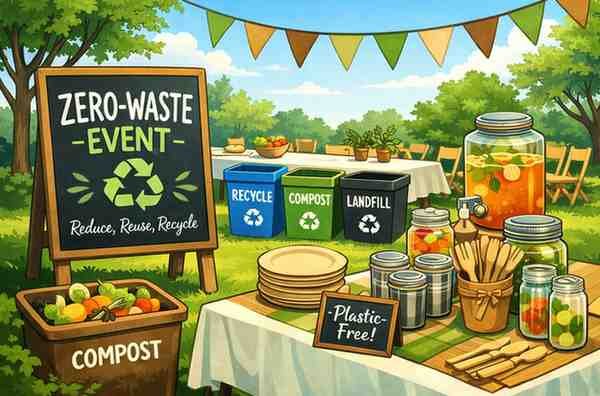
Events—whether corporate meetings, weddings, festivals, or workshops—often generate significant waste through disposable items, food leftovers, and excessive packaging. A zero-waste event aims to change this by minimizing waste generation and ensuring that most materials are reused, recycled, or composted instead of ending up in landfills.
This article provides a step-by-step guide on how to organize a zero-waste event, helping you create an impactful, sustainable, and responsible gathering.
What Is a Zero-Waste Event?
A zero-waste event is planned with the goal of diverting at least 90% of waste away from landfills. It focuses on reducing waste at the source, reusing materials wherever possible, and responsibly managing unavoidable waste through recycling and composting.
Zero-waste events prioritize conscious planning, smart sourcing, and attendee participation.
Why Organize a Zero-Waste Event?
Organizing a zero-waste event offers multiple benefits:
-
Reduced environmental impact
-
Lower waste disposal costs
-
Strong sustainability branding
-
Healthier and cleaner event spaces
-
Increased awareness among attendees
It demonstrates environmental leadership and social responsibility.
Step 1: Set Clear Zero-Waste Goals
Begin by defining your waste reduction objectives.
Key Actions
-
Decide waste diversion targets (e.g., 90% landfill-free)
-
Identify materials to eliminate (plastic, paper, single-use items)
-
Assign a sustainability coordinator
Clear goals guide every planning decision.
Step 2: Choose a Zero-Waste-Friendly Venue
Venue selection plays a major role in waste management.
Ideal Venue Features
-
Recycling and composting facilities
-
Flexible catering and décor policies
-
Access to natural lighting and ventilation
-
Proximity to public transportation
Venues that support sustainability make implementation easier.
Step 3: Go Paperless and Digital
Paper waste is one of the biggest contributors to event trash.
Digital Solutions
-
Online invitations and registrations
-
QR-code-based schedules and brochures
-
Digital tickets and feedback forms
This reduces printing costs and environmental impact.
Step 4: Plan Sustainable Catering
Food and beverage services generate the most waste at events.
Zero-Waste Catering Practices
-
Choose local and seasonal ingredients
-
Offer plant-based menu options
-
Use reusable or compostable tableware
-
Avoid individually packaged items
Work closely with caterers who understand zero-waste principles.
Step 5: Eliminate Single-Use Plastics
Single-use plastics are a major waste source.
Alternatives to Use
-
Refillable water stations instead of bottled water
-
Cloth napkins instead of paper
-
Reusable cutlery and glassware
If disposables are necessary, ensure they are compostable.
Step 6: Use Sustainable Décor and Materials
Décor should be reusable or recyclable.
Eco-Friendly Décor Ideas
-
Rent décor items instead of buying
-
Use fabric banners and signage
-
Choose natural elements like plants and flowers
-
Avoid balloons, glitter, and synthetic materials
Minimalist design reduces waste and cost.
Step 7: Set Up Proper Waste Segregation
Waste sorting is essential for zero-waste success.
Waste Management Setup
-
Clearly labeled bins for recycling, compost, and landfill
-
Strategic bin placement near food and high-traffic areas
-
Volunteers or signage to guide attendees
Correct segregation ensures waste is processed properly.
Step 8: Educate and Engage Attendees
Attendee participation is critical.
Engagement Strategies
-
Display zero-waste goals prominently
-
Provide instructions on waste sorting
-
Encourage reusable bottles and bags
-
Share sustainability tips during the event
Awareness turns attendees into active contributors.
Step 9: Partner with Sustainable Vendors
Work with vendors aligned with zero-waste values.
Vendor Selection Criteria
-
Eco-friendly packaging
-
Reusable or returnable materials
-
Ethical sourcing practices
Vendor cooperation strengthens overall impact.
Step 10: Measure and Review Event Waste
Post-event evaluation helps improve future events.
What to Measure
-
Amount of waste diverted from landfill
-
Food waste reduction
-
Attendee feedback
Sharing results builds transparency and credibility.
Common Challenges in Zero-Waste Events
Some challenges include:
-
Limited access to composting facilities
-
Higher upfront planning effort
-
Attendee unfamiliarity
However, these challenges decrease as sustainable practices become mainstream.
The Future of Zero-Waste Events
Zero-waste events are becoming a standard expectation rather than a niche concept. Innovations in compostable materials, digital experiences, and circular event models are making zero-waste planning more achievable and cost-effective.
Summary
Organizing a zero-waste event proves that impactful gatherings do not need to harm the environment. With thoughtful planning, sustainable sourcing, and active engagement, any event can significantly reduce its waste footprint.
Understanding how to organize a zero-waste event empowers individuals and organizations to create responsible, future-ready experiences that benefit both people and the planet.



Reviews
There are no reviews yet.