
Description
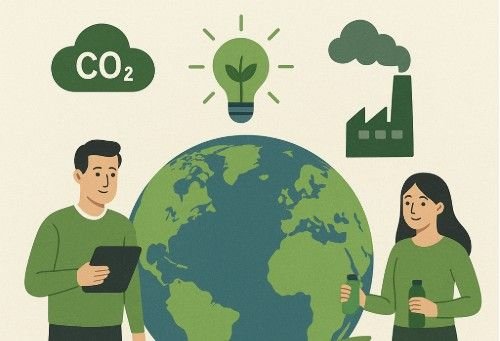
Sustainability is no longer a luxury—it’s a necessity. For modern green startups, reducing their carbon footprint isn’t just about protecting the planet; it’s also a smart business move that boosts brand reputation, reduces operational costs, and attracts conscious consumers and investors.
The good news? You don’t need expensive technology or massive capital to become eco-friendly. Small, consistent, low-cost actions can significantly minimize environmental impact while improving business efficiency.
Here are simple, affordable, and high-impact strategies that any green startup can adopt from day one.
1. Switch to Energy-Efficient Practices
Electricity consumption is one of the biggest contributors to carbon emissions in early-stage businesses.
Low-cost ways to reduce energy use:
-
Use LED lighting instead of CFLs or traditional bulbs.
-
Opt for natural light as much as possible.
-
Install motion-sensor lights in low-traffic areas.
-
Implement shut-down policies for laptops, ACs, and office equipment after working hours.
Why it works:
Reduces energy bills by 20–40% while cutting emissions immediately.
2. Prioritize Remote or Hybrid Work
Green startups can drastically lower emissions by reducing commuting, office power usage, and physical workspace needs.
Smart low-cost steps:
-
Encourage 2–3 days/week of remote work.
-
Use tools like Zoom, Slack, and Notion to collaborate efficiently.
-
Allow flexible hours to avoid peak traffic emissions.
Impact:
Lower employee transportation emissions by up to 70%.
3. Adopt Minimalist Packaging
Packaging often defines a startup’s first impression—especially for product-based businesses.
Eco-friendly packaging ideas:
-
Use recycled cardboard, paper, or bio-based materials.
-
Avoid plastic unless it’s 100% recycled.
-
Keep packaging minimal—no unnecessary layers.
-
Encourage reusable containers or glass jars with return incentives.
Bonus Tip:
Print with soy-based inks, which are cheaper and eco-friendly.
4. Source Locally Whenever Possible
Long-distance transportation raises emissions drastically.
Why local sourcing helps:
-
Reduces fuel consumption and shipping impact.
-
Supports local businesses and communities.
-
Ensures faster deliveries and lower costs.
How to start:
-
Use local suppliers for raw materials.
-
Build partnerships with nearby manufacturers.
-
Choose regional logistics partners to minimize carbon emissions.
5. Use Digital Tools to Reduce Paper Waste
Paper-based systems create unnecessary waste, especially for early-stage startups trying to scale.
Easy solutions:
-
Switch to digital invoices, receipts, and contracts.
-
Use cloud-based platforms like Google Drive or Dropbox.
-
Implement e-signature tools such as DocuSign or Adobe Sign.
-
Reduce printing by setting default “no print unless necessary” office policy.
Impact:
Can cut paper consumption by 80–90%.
6. Introduce Office Recycling & Waste Segregation
This is one of the most affordable strategies any startup can adopt instantly.
Start with:
-
Separate bins for paper, plastic, metal, and organic waste.
-
Tie up with local recycling vendors.
-
Display simple guidelines for employees to follow.
Pro tip:
Reward employees for creative waste-reduction ideas.
7. Choose Eco-Friendly Office Supplies
Go green with your purchasing decisions.
Affordable options:
-
Recycled or bamboo stationery.
-
Rechargeable batteries.
-
Refillable ink pens.
-
Non-toxic cleaning supplies.
-
Energy-rated office appliances.
Small choices add up to big environmental savings.
8. Reduce Water Consumption in the Workplace
Water scarcity is growing, and startups can contribute to conservation.
Water-saving hacks:
-
Install low-flow taps and water-efficient fixtures.
-
Fix leaks immediately.
-
Use aerators to reduce water flow by up to 40%.
-
Encourage employees to avoid wasting water in washrooms and kitchen areas.
These changes are extremely affordable yet impactful.
9. Opt for Carbon-Neutral Deliveries
If your startup involves shipping or deliveries, carbon contribution increases.
Simple steps to reduce shipping emissions:
-
Use EV-based delivery partners in nearby areas.
-
Encourage bulk shipping instead of frequent small deliveries.
-
Offset emissions by planting trees (costs ₹30–₹50 per sapling).
-
Keep delivery routes optimized with digital tools.
10. Educate and Engage Employees
Your team is your biggest sustainability asset.
Encourage eco-friendly behavior:
-
Conduct short awareness sessions.
-
Set monthly “green goals.”
-
Reward contributions like cycling to work or saving office resources.
-
Build a culture where sustainability is a shared responsibility.
Why it matters:
Eco-conscious employees help reduce waste, energy use, and company-level impact.
11. Measure Carbon Footprint Using Free Tools
You can’t reduce what you don’t measure.
Free or low-cost carbon footprint calculators:
-
Carbon Footprint Ltd
-
UN Carbon Footprint Tool
-
Terrapass Calculator
-
Google Environmental Insights
Set small quarterly targets and track progress.
12. Plant Trees for Carbon Offsetting
Tree plantation is one of the simplest, most accessible strategies.
How it helps:
-
Neutralizes carbon releases.
-
Builds your brand as an Earth-friendly startup.
-
Costs as low as ₹50–₹150 per tree.
Partner with verified NGOs or local groups to ensure long-term maintenance.
Sustainability Doesn’t Have to Be Expensive
Green startups don’t need huge investments to adopt sustainable practices. Low-cost, practical steps like reducing energy use, adopting hybrid work, using eco-friendly packaging, and minimizing waste can dramatically reduce carbon footprints.
By building sustainability into your core operations early, you create:
-
A stronger brand
-
Higher operational savings
-
Better investor appeal
-
A long-term competitive advantage
Small steps today lead to a greener, more profitable tomorrow.


Reviews
There are no reviews yet.