
Description
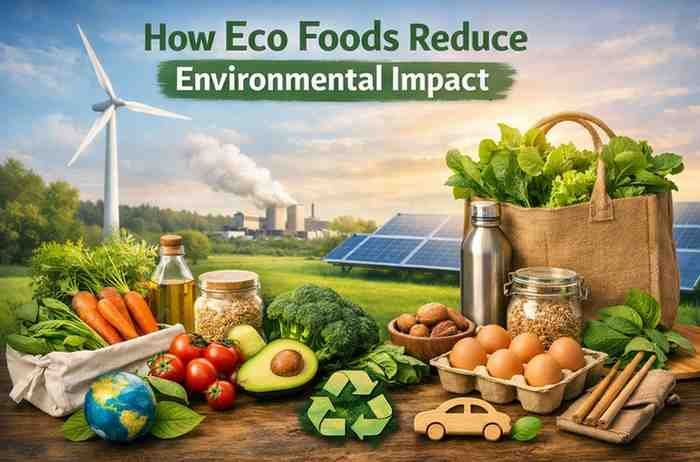
Food production is one of the largest contributors to environmental degradation worldwide. From deforestation and water depletion to greenhouse gas emissions and plastic waste, conventional food systems place enormous pressure on the planet. Eco foods, also known as environmentally friendly or sustainable foods, offer a powerful way to reduce this impact while supporting healthier ecosystems.
This article explains how eco foods reduce environmental impact, why they matter, and how individuals can make more sustainable food choices.
What Are Eco Foods?
Eco foods are foods produced using methods that minimize harm to the environment throughout their lifecycle—from farming and processing to packaging and distribution. These foods focus on sustainability, resource efficiency, and long-term ecological balance.
Common characteristics of eco foods include:
-
Sustainable or organic farming practices
-
Reduced chemical use
-
Lower carbon footprint
-
Ethical sourcing
-
Minimal or eco-friendly packaging
Reducing Greenhouse Gas Emissions
One of the most significant ways eco foods reduce environmental impact is by lowering greenhouse gas emissions.
How Eco Foods Help
-
Emphasize plant-based ingredients with lower emissions
-
Use energy-efficient farming and processing methods
-
Reduce dependence on fossil fuel–intensive inputs
Plant-forward eco diets can significantly reduce carbon emissions compared to conventional food systems.
Conserving Water Resources
Agriculture is one of the largest consumers of freshwater.
Water-Saving Benefits of Eco Foods
-
Sustainable irrigation methods
-
Crop rotation and soil moisture retention
-
Reduced water-intensive livestock production
Eco-friendly farming practices help protect rivers, lakes, and groundwater from depletion.
Protecting Soil Health and Biodiversity
Healthy soil is the foundation of sustainable food systems.
Soil and Biodiversity Benefits
-
Natural fertilizers improve soil structure
-
Crop diversity prevents soil erosion
-
Reduced pesticide use protects pollinators and wildlife
Eco foods support ecosystems rather than degrading them.
Reducing Chemical Pollution
Conventional agriculture relies heavily on synthetic pesticides and fertilizers.
How Eco Foods Minimize Pollution
-
Limit or eliminate harmful chemicals
-
Prevent runoff into water bodies
-
Reduce air and soil contamination
This results in cleaner water, healthier soil, and safer food.
Minimizing Food Miles and Transportation Emissions
Eco foods often prioritize local and seasonal sourcing.
Environmental Advantages
-
Shorter transportation distances
-
Lower fuel consumption
-
Reduced refrigeration and storage needs
Eating locally sourced eco foods directly lowers transportation-related emissions.
Cutting Down on Plastic and Packaging Waste
Food packaging contributes significantly to environmental pollution.
Packaging Practices in Eco Foods
-
Compostable or recyclable packaging
-
Minimal packaging design
-
Plastic-free alternatives
Reducing packaging waste helps combat plastic pollution and landfill overflow.
Reducing Food Waste
Food waste generates methane emissions when decomposing in landfills.
Eco Food Strategies
-
Better supply chain planning
-
Emphasis on whole and seasonal foods
-
Consumer awareness and portion control
Reducing food waste conserves resources and lowers emissions.
Supporting Ethical and Sustainable Farming Communities
Eco food systems often prioritize fair trade and ethical labor practices.
Social and Environmental Impact
-
Sustainable livelihoods for farmers
-
Long-term land stewardship
-
Community-based agricultural systems
Healthy farming communities are essential for environmental sustainability.
Healthier Ecosystems, Healthier People
Eco foods reduce environmental impact while improving food quality.
Co-Benefits
-
Lower chemical exposure
-
Improved nutrition
-
Cleaner air and water
Environmental and human health are deeply interconnected.
How Consumers Can Support Eco Foods
You don’t need to change everything at once. Simple steps include:
-
Buying local and seasonal produce
-
Choosing plant-based meals more often
-
Supporting brands with transparent sourcing
-
Reducing food waste at home
Every eco-conscious food choice contributes to a larger environmental impact.
The Long-Term Impact of Choosing Eco Foods
As demand for eco foods grows, it encourages:
-
Sustainable agricultural practices
-
Reduced industrial farming pressure
-
Innovation in eco-friendly food systems
Collective consumer action drives systemic change.
Summary
Eco foods play a crucial role in reducing environmental impact by lowering emissions, conserving resources, protecting ecosystems, and minimizing waste. They represent a practical, everyday solution to some of the most pressing environmental challenges we face.
Understanding how eco foods reduce environmental impact empowers individuals to make choices that support both planetary health and a sustainable future.
Reviews
There are no reviews yet.