
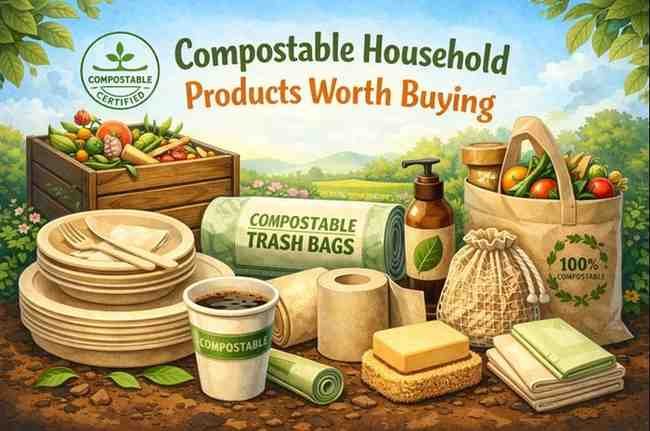
Description
As environmental awareness grows and regulations around plastic waste become stricter, compostable household products are no longer niche alternatives—they are fast becoming everyday essentials. In 2025, consumers are actively seeking products that decompose naturally, reduce landfill waste, and support a circular economy without compromising on quality or convenience.
This guide explores the best compostable household products worth buying in 2025, why they matter, and how they help both the environment and your long-term household budget.
What Are Compostable Household Products?
Compostable products are made from natural, plant-based, or biodegradable materials that break down into non-toxic organic matter under composting conditions. Unlike traditional plastic items, compostable alternatives return nutrients to the soil rather than polluting ecosystems.
Common compostable materials include:
-
Bamboo
-
Cornstarch (PLA)
-
Sugarcane bagasse
-
Coconut coir
-
Wood pulp
-
Natural fibers
Why Compostable Products Are Worth Buying in 2025
In 2025, compostable products stand out for three major reasons:
-
Rising plastic bans and eco-regulations
-
Increased consumer demand for sustainable living
-
Improved durability and affordability of compostable goods
Manufacturers have significantly improved performance, making compostable products more reliable than ever before.
1. Compostable Garbage Bags
Traditional plastic garbage bags are among the most common household pollutants.
Why Compostable Garbage Bags Are Essential
-
Made from plant-based materials
-
Break down in composting environments
-
Strong enough for wet and dry waste
These bags are ideal for food waste, garden waste, and organic disposal systems.
2. Compostable Kitchen Sponges and Scrub Pads
Most kitchen sponges are made of plastic and release microplastics.
Better Compostable Alternatives
-
Cellulose-based sponges
-
Coconut fiber scrub pads
-
Loofah scrubbers
These options clean effectively and fully decompose after use.
3. Compostable Disposable Plates, Bowls, and Cutlery
Disposable tableware is often unavoidable during events and gatherings.
Eco-Friendly Tableware Options
-
Sugarcane bagasse plates
-
Areca palm leaf bowls
-
Wooden or cornstarch cutlery
They decompose naturally and are safe for hot and oily foods.
4. Compostable Cleaning Wipes and Tissues
Conventional wipes contain plastic fibers that clog landfills and waterways.
Compostable Cleaning Solutions
-
Plant-fiber cleaning wipes
-
Unbleached compostable tissues
-
Bamboo-based paper alternatives
They are skin-safe, chemical-free, and eco-conscious.
5. Compostable Toothbrushes and Dental Products
Plastic toothbrushes take centuries to break down.
Sustainable Dental Care Options
-
Bamboo toothbrushes
-
Compostable toothbrush packaging
-
Plant-based dental floss
Switching just one toothbrush per person per year significantly reduces plastic waste.
6. Compostable Food Storage and Wrapping Solutions
Plastic wraps and zip bags contribute heavily to household waste.
Compostable Alternatives Worth Buying
-
Beeswax food wraps
-
Compostable cling films
-
Paper-based food storage bags
These products keep food fresh while eliminating plastic use.
7. Compostable Laundry and Dishwashing Products
Liquid detergents often come in plastic packaging.
Eco-Friendly Cleaning Options
-
Compostable detergent sheets
-
Plant-based dishwashing bars
-
Paper-packed laundry pods
They dissolve completely and reduce packaging waste.
8. Compostable Pet Care Products
Pet waste contributes significantly to plastic pollution.
Compostable Pet Essentials
-
Compostable poop bags
-
Biodegradable cat litter
-
Natural fiber pet wipes
These products make sustainable pet ownership easier in 2025.
How Compostable Products Benefit the Environment
By switching to compostable household products, you help:
-
Reduce landfill accumulation
-
Minimize microplastic pollution
-
Lower carbon emissions
-
Improve soil health through composting
When disposed of correctly, compostable products return safely to nature.
Cost vs Value: Are Compostable Products Expensive?
While compostable products may appear slightly more expensive upfront, they offer long-term value through:
-
Reduced environmental costs
-
Improved health safety
-
Compliance with eco-regulations
-
Increased durability compared to older eco products
As production scales up in 2025, prices continue to become more competitive.
How to Choose Genuine Compostable Products
To avoid greenwashing, look for:
-
Certified compostable labels
-
Clear material descriptions
-
Plastic-free packaging
-
Transparency from manufacturers
Avoid products that only claim to be “biodegradable” without certification.
Summary
Compostable household products in 2025 represent a practical step toward sustainable living. They are no longer compromises but smart, responsible purchases that align convenience with environmental responsibility.
By choosing compostable alternatives, you actively reduce waste, protect ecosystems, and contribute to a cleaner future—one household decision at a time.
Reviews
There are no reviews yet.