
Description
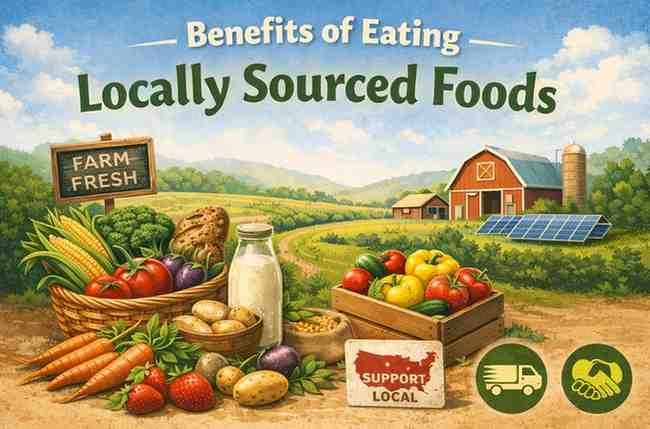
As people become more conscious of health, sustainability, and community well-being, eating locally sourced foods is gaining renewed importance. Locally sourced foods are not just fresher and tastier—they also deliver significant environmental, economic, and health benefits. From supporting local farmers to reducing carbon emissions, choosing local food is a simple yet powerful lifestyle decision.
This article explores the key benefits of eating locally sourced foods and why it plays a crucial role in building a sustainable food system.
What Are Locally Sourced Foods?
Locally sourced foods are foods produced, grown, or harvested within a specific region or nearby area. These foods typically travel shorter distances from farm to consumer compared to mass-produced or imported foods.
Examples include:
-
Fruits and vegetables from nearby farms
-
Locally produced dairy and eggs
-
Regional grains, pulses, and spices
-
Fresh seafood from nearby coastal areas
Fresher and More Nutritious Food
One of the biggest advantages of eating locally sourced foods is freshness.
Why Local Food Is More Nutritious
-
Shorter time between harvest and consumption
-
Fewer preservatives needed
-
Better retention of vitamins and minerals
Freshly harvested produce often tastes better and provides higher nutritional value.
Reduced Environmental Impact
Food transportation contributes significantly to greenhouse gas emissions.
Environmental Benefits of Local Foods
-
Lower fuel consumption
-
Reduced carbon footprint
-
Less need for refrigeration and packaging
Eating local directly helps reduce pollution and climate impact.
Supporting Local Farmers and Communities
Buying locally sourced foods strengthens the local economy.
Economic and Social Benefits
-
Fair income for farmers
-
Job creation in local food systems
-
Stronger rural and urban community connections
Money spent locally circulates within the community, supporting long-term economic resilience.
Seasonal Eating Encourages Sustainable Habits
Locally sourced foods are often seasonal by nature.
Benefits of Seasonal Eating
-
Lower energy use in food production
-
Natural crop rotation improves soil health
-
More diverse and balanced diets
Seasonal foods align better with natural agricultural cycles.
Reduced Food Waste
Local food systems are more efficient and flexible.
How Local Foods Reduce Waste
-
Shorter supply chains
-
Better demand forecasting
-
Fewer losses during transport and storage
Consumers also value fresh local food more, leading to less household waste.
Improved Food Safety and Transparency
Knowing where your food comes from builds trust.
Transparency Benefits
-
Clear information about farming practices
-
Greater accountability
-
Reduced risk of contamination from long supply chains
Local producers often maintain higher quality and safety standards.
Better Taste and Variety
Locally grown foods are often harvested at peak ripeness.
Taste Advantages
-
Richer flavor and aroma
-
Greater variety of traditional and heirloom crops
-
Authentic regional food experiences
Local foods preserve culinary heritage and food diversity.
Lower Dependence on Processed Foods
Locally sourced foods encourage whole and minimally processed diets.
Health Benefits
-
Reduced intake of preservatives and additives
-
Better digestion and overall wellness
-
Improved dietary balance
This supports long-term health and wellness.
Encourages Sustainable Farming Practices
Small and local farms often adopt eco-friendly methods.
Sustainable Agriculture Benefits
-
Improved soil fertility
-
Reduced chemical use
-
Conservation of biodiversity
Local demand for sustainable food motivates responsible farming.
How to Start Eating Locally Sourced Foods
You don’t need to make drastic changes to your diet. Start with simple steps:
-
Shop at farmers’ markets
-
Buy seasonal fruits and vegetables
-
Support local dairy and grain producers
-
Ask about food origin in stores
-
Grow some food at home if possible
Small choices create meaningful impact.
Long-Term Impact of Eating Local
As more consumers choose locally sourced foods, it leads to:
-
Stronger food security
-
Reduced environmental pressure
-
Healthier communities
-
Resilient local economies
Local food systems are key to sustainable living.
Summary
The benefits of eating locally sourced foods extend far beyond the dinner plate. From better nutrition and taste to environmental protection and community support, local food choices create positive change at multiple levels.
By choosing locally sourced foods, individuals can enjoy healthier meals while contributing to a more sustainable, transparent, and resilient food system.


Reviews
There are no reviews yet.